The Mobile Legends Dark System Debate Is Back — And It’s Changing What Players Expect From Their Accounts

Ask any long-time Mobile Legends: Bang Bang player about the Dark System and you’ll get one of two reactions: a knowing nod from someone who’s experienced it firsthand, or a dismissive shrug from someone who thinks it’s a myth the community invented to explain losing streaks. In 2026, the debate has come back with renewed force — and it’s shaping how players think about what rank actually tells you.
The Dark System, for those unfamiliar, is a community theory that has circulated in MLBB for years. The idea is that the matchmaking algorithm intentionally pairs winning players with underperforming teammates after a run of victories — effectively engineering losing streaks to keep player win rates close to 50 percent and prevent rapid rank climbing.
Moonton has never confirmed the system exists. But the experience of winning five matches in a row and then suddenly drawing a succession of AFK players or clear mismatches is common enough that a meaningful portion of the player base treats it as fact rather than speculation.
What’s driving the conversation in 2026 is a combination of factors. The game’s ranking structure has grown more elaborate — Grandmaster, Epic, Legend, Mythic, and Glory tiers each carry their own matchmaking pool dynamics. As the competitive ladder has expanded, the points where players report feeling “bricked” by bad teammates have become more specific and more consistently described.
Community posts across Reddit, Discord, and gaming forums in multiple languages describe essentially the same pattern: a win streak, followed by a matchmaking wall that feels structural rather than random.
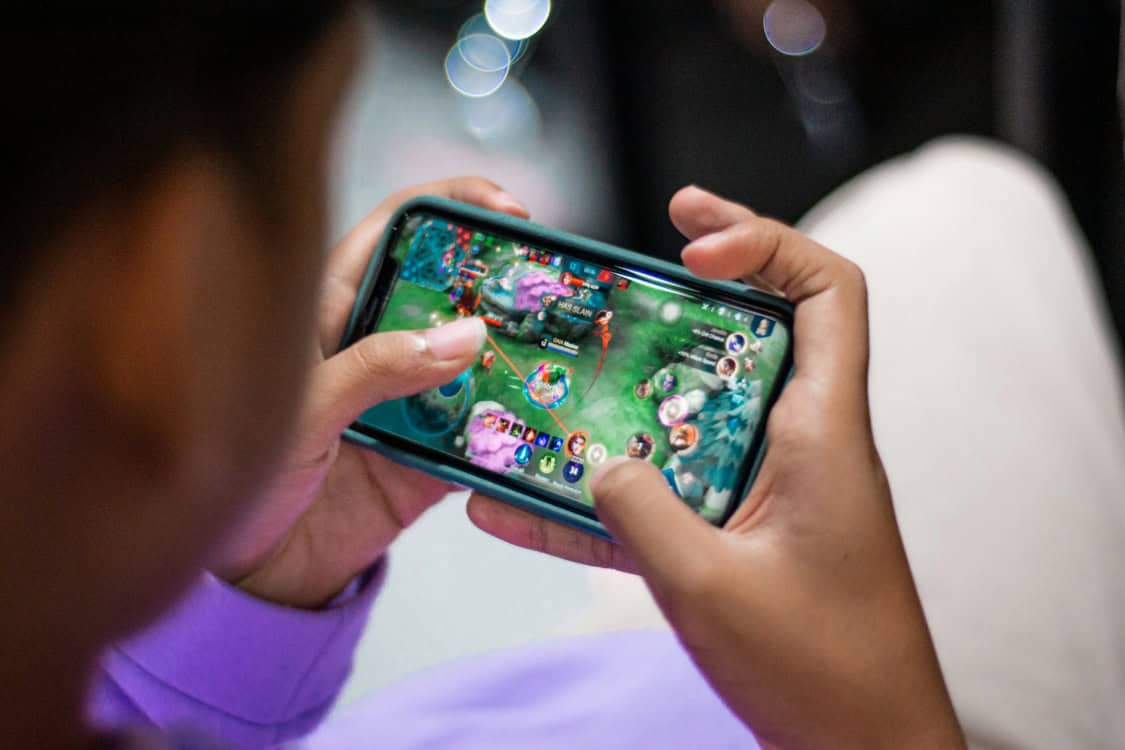
Moonton’s official position remains that the matchmaking system is designed to create fair matches based on skill ratings, not to manipulate outcomes. The company points to the complexity of live matchmaking — server regions, queue times, rank distribution at different tiers — as explanations for the streaks players experience.
That’s a reasonable technical defense. Queue pools at the top of the rank ladder are genuinely smaller, and small pool dynamics do create streakier outcomes regardless of any deliberate balancing mechanism.
The theory has real implications for what a ranked record actually means in this game. If the matchmaking system is working against players who win too consistently, then a Glory-rank profile sitting above 54 percent across a thousand ranked games represents something that took sustained skill to achieve — not just volume. That changes how seriously buyers and sellers read the numbers on a listing.
The incoming ownership change — Savvy Games Group’s reported acquisition of Moonton from ByteDance — adds another layer of uncertainty to matchmaking discussions. New owners sometimes make structural changes to monetization systems, which in mobile games frequently intersects with matchmaking design.
Whether Savvy’s ownership changes anything about how MLBB’s algorithm operates is unknowable right now. But the community’s existing skepticism means any significant matchmaking change will be scrutinized intensely.
The Dark System may be real, partially real, or entirely the result of confirmation bias applied to the inherently streaky nature of competitive matchmaking. What it definitely is, in 2026, is a persistent lens through which a large and vocal player base interprets their own progress — and that lens shapes what they look for when they want to know whether a ranked record actually means something.