What the Eastward Shift in Refining Means for Heavy-Wall Reactor Steel
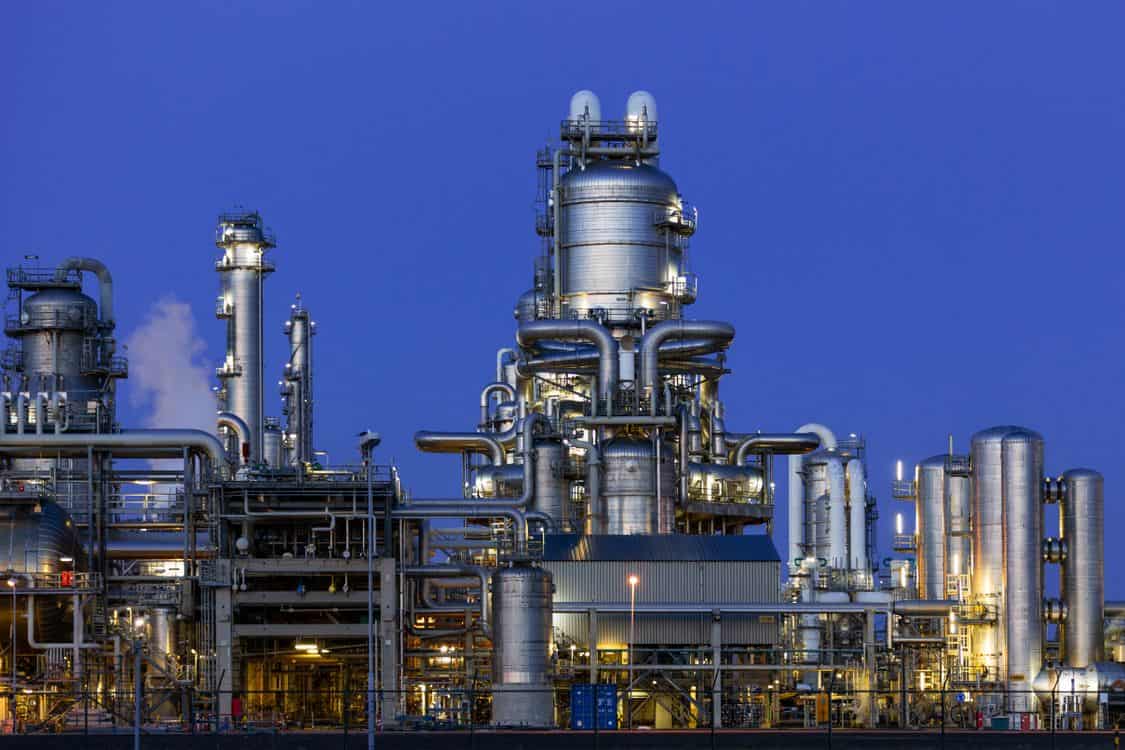
The map of global oil refining is being redrawn. Old refineries in Europe and North America are closing, while enormous new ones rise across Asia, the Middle East, and Africa. That migration is quietly reshaping demand for one of the most demanding steel plates in heavy industry: the chrome-moly used in high-temperature reactors.
Where the new refineries go, the heavy-wall reactor plate follows, because the modern mega-refinery is built around exactly the kind of severe processing that demands it.
Refining is moving, not shrinking
The headline numbers make the shift clear. Over the past two decades, global primary refining capacity has increased by about 13.5 million barrels per day, even as the absolute number of refineries has fallen since peaking around 2011.
That combination tells the story. Fewer, larger, more sophisticated plants are replacing a greater number of small, simple ones.
The growth is concentrated in Asia and the Middle East, where integrated mega-refineries are being built to capture economies of scale and secure domestic fuel and petrochemical supply. Meanwhile, older Western plants are being rationalized out of existence.
These new facilities are not simple fuel factories. They are high-conversion plants designed to wring maximum value from every barrel, which means lots of high-severity hydroprocessing.
Why high-severity processing needs heavy-wall chrome-moly
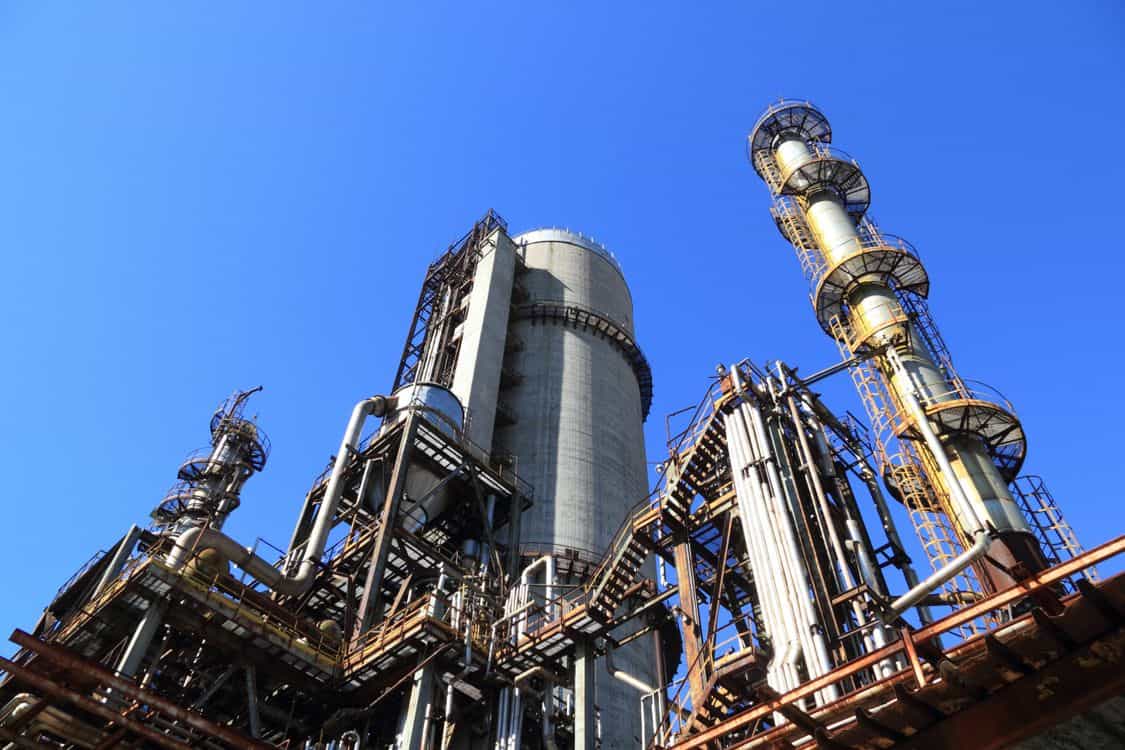
The heart of a high-conversion refinery is its reactors. Hydrocrackers and hydrotreaters run hot, under high pressure, in a hydrogen-rich environment, processing heavier and more difficult feedstocks than ever.
Those conditions are brutal on steel. The reactor walls have to resist high-temperature strength loss, creep, and hydrogen attack, all at once, often in wall thicknesses measured in many inches.
This is the territory of the heavier chrome-moly grades. A grade like ASTM A387 Grade 22, a 2.25 percent chromium, 1 percent molybdenum plate, is specified for elevated-temperature, high-pressure hydrogen service where lighter alloys run out of margin.
The higher chromium and molybdenum content is what buys that extra margin. Compared with the lighter chrome-moly grades used in milder service, the heavier alloy holds its strength at higher temperatures and resists hydrogen attack deeper into the operating envelope.
That is precisely why it ends up in the thickest, most critical reactor vessels of a high-severity unit. When a refinery is built to crack heavy feed under hydrogen at high temperature, the reactor steel has to be chosen for the worst case.
The shift toward processing heavier, sourer crudes only reinforces this. More difficult feedstock means more severe processing, which means more demand for the heavy-wall chrome-moly that can take it.
What it means for plate suppliers
For suppliers of specialty pressure vessel plate, the geographic shift in refining is a shift in where this demanding material is needed.
Heavy-wall chrome-moly reactor plate is a specialized, high-value product. It is not a commodity, and the projects that consume it are large, long-lead, and exacting in their requirements.
Serving this market means understanding the metallurgy deeply. Heat treatment condition, through-thickness properties, and resistance to temper embrittlement and hydrogen attack all matter enormously in reactor service, and they have to be verified, not assumed.
It also means following the projects. As the center of gravity in refining moves toward Asia, the Middle East, and Africa, so does the demand for the reactor plate that makes high-conversion refining possible.
The story of refining is no longer one of decline. It is one of consolidation into bigger, more capable plants, and those plants run on the heavy-wall chrome-moly steel that can hold pressure in the heat while hydrogen does its worst.