What the June 2026 ABS approvals data reveals about Melbourne’s renovation pipeline
New figures released by the Australian Bureau of Statistics at the end of July show a mixed picture for Victorian construction: new dwelling approvals are falling while the underlying appetite for home improvement work keeps climbing. The gap between those two trends says a lot about where Melbourne homeowners are actually spending their money right now.
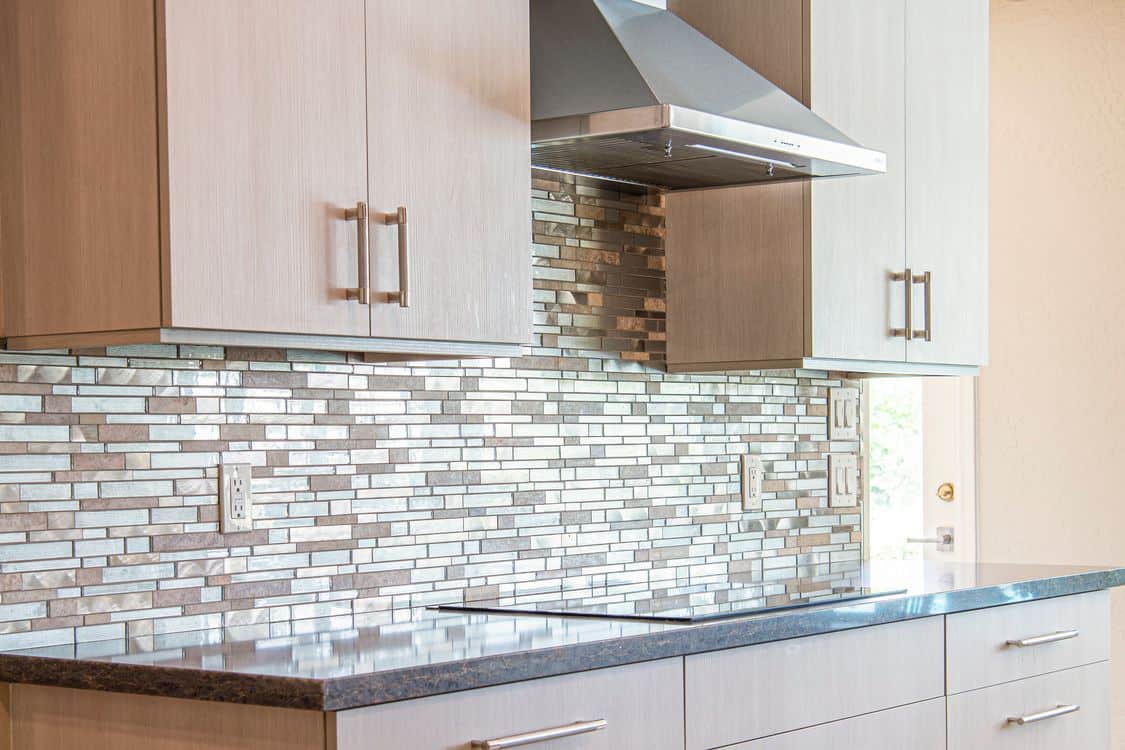
Portfolios of recent Melbourne renovations Standout and comparable local firms have delivered over the past year reflect that shift clearly, with full-home and kitchen-bathroom projects now making up a larger share of the workload than ground-up new builds.
New builds are slowing while alteration work isn’t
Seasonally adjusted figures for June 2026 showed dwelling approvals in Victoria falling 13.9 percent month-on-month to 4,172 units, even as national approvals rose 7.2 percent to 18,328 dwellings overall. Victoria was going against the national trend.
Private sector house approvals in the state only inched up 2.2 percent, a modest figure against the backdrop of falling overall approvals. The divergence between a slowing new-build pipeline and steady renovation demand isn’t new. It has been building for the better part of two years, as land and construction costs make a knockdown-rebuild proposition harder to justify than working with an existing footprint.
Where the money is actually going instead
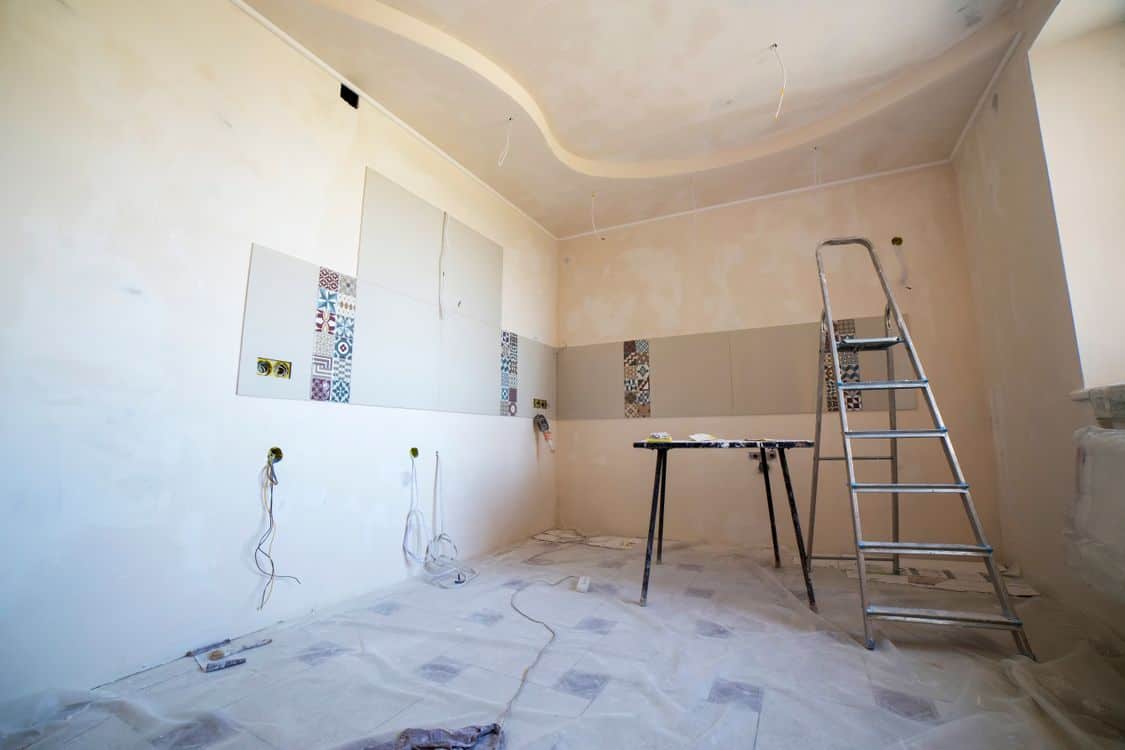
With fewer new approvals moving through the system, more homeowners appear to be redirecting budgets toward renovating what they already own. That lines up with what local trades and project managers are reporting anecdotally across the inner and middle-ring suburbs, where extension and full-home renovation briefs have become more common than land purchase inquiries.
The approvals slowdown the ABS data is now confirming at a state level matches that pattern, and it’s a trend showing no signs of reversing through the second half of 2026.
Planning consultants report a similar pattern in the applications crossing their desks, with alteration and extension permits now regularly outnumbering demolition-and-rebuild applications in several established municipalities. That wasn’t the case even three years ago, when knockdown-rebuild remained the default option for owners of ageing houses on generous blocks.
Part of the shift is practical rather than aesthetic. Retaining an existing structure and renovating around it can sidestep some of the site costs, demolition approvals and rebuild waiting times that have become more onerous as councils manage a larger overall volume of construction activity across their municipalities.
Reading the numbers against broader market conditions
The national increase in approval value, up 15.1 percent to $11.75 billion, suggests money is still flowing into the construction sector overall, just not evenly across states or project types. Victoria’s underperformance relative to the national figure points to tighter conditions locally, whether from land supply constraints, planning delays, or simple cost caution among prospective new-build clients.
None of this means Melbourne’s construction sector is contracting. It means the mix of work is shifting, with renovation and extension projects picking up a larger share of total activity as new dwelling approvals soften. For an industry that has spent years chasing greenfield volume, that’s a real change in the type of work builders are being asked to quote on.
If the pattern holds through the September quarter figures, expect renovation-focused firms in Melbourne to keep reporting stronger pipeline growth than pure new-build operators, simply because that’s where the approvals data says the underlying demand has moved.
It also has implications for trade availability. As new-build approvals soften, tradespeople who might otherwise be tied up on greenfield estates further out have started taking on more established-suburb renovation and extension work, which in turn is helping keep quotes and start dates more realistic than they were during the peak of the new-build boom a few years ago.