The Roof Warranty Fine Print Austin’s Triple-Digit Summers Are Putting to the Test
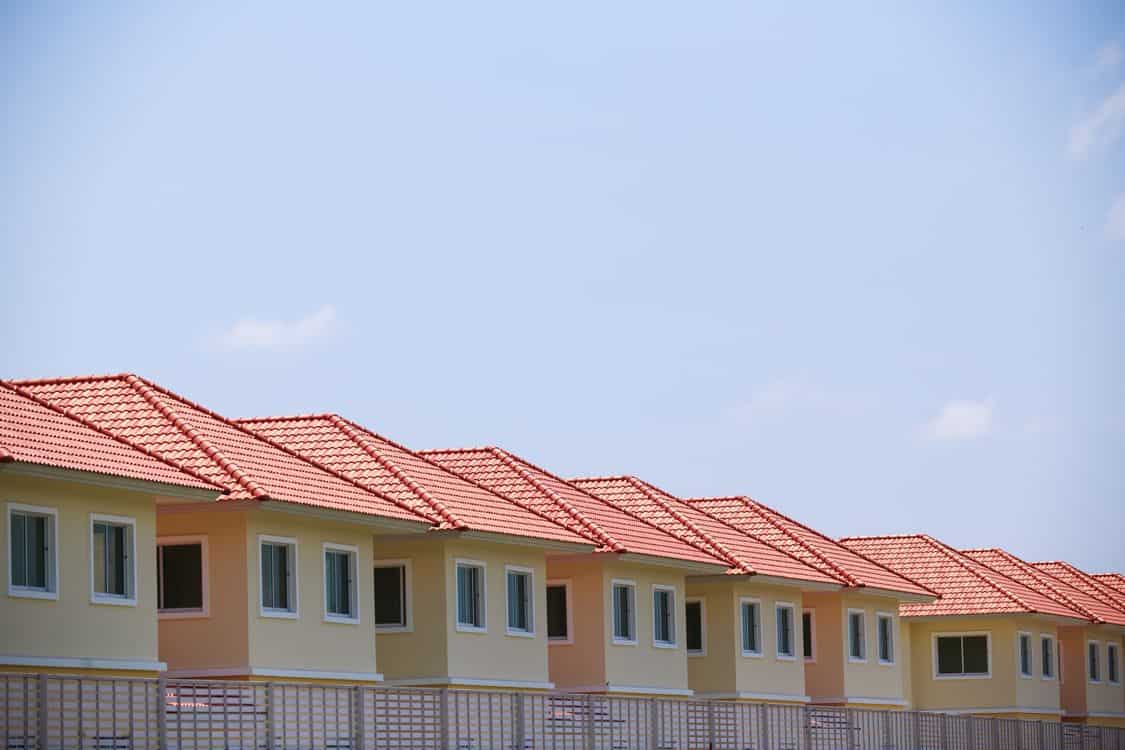
Austin’s summer of 2026 has delivered another extended stretch of triple-digit heat, the kind of season that has become less of an anomaly and more of an annual expectation for Central Texas homeowners. What gets less attention than the heat itself is what that heat does to the roof over people’s heads, and how thoroughly most warranty documents anticipate it.
Asphalt shingles are engineered to handle sustained heat, but repeated expansion and contraction cycles, not steady high temperatures alone, are what stress the material over time. Austin’s climate produces both in abundance.
By late August, Austin had already logged more than two dozen days at or above 100 degrees Fahrenheit in 2026, according to NOAA-based historical temperature data. The exact total can change through the end of summer, but the broader point does not: Central Texas roofs spend long stretches under intense solar heat.
The record year, 2011, logged 74 days at or above 100 degrees. That provides useful context for the upper end of Austin’s heat exposure without implying that every hot summer produces the same roofing outcome.
What Heat Cycling Actually Does to a Shingle Over Time
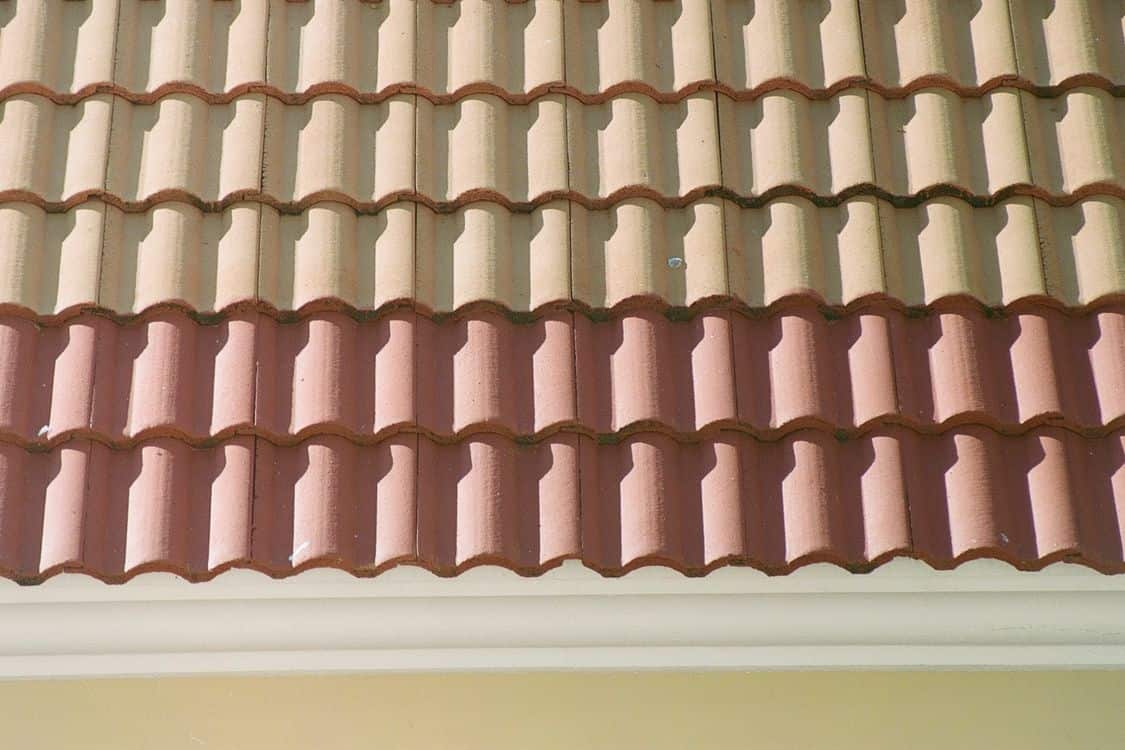
A shingle roof doesn’t fail from heat the way pavement buckles. It fails through cumulative micro-stress: daytime surface temperatures on a dark shingle can run 40 to 60 degrees above ambient air temperature, then drop sharply after sunset or during a sudden thunderstorm.
That daily swing causes the asphalt matrix and fiberglass mat to expand and contract at slightly different rates, gradually loosening the bond between layers. Granule loss speeds up as the surface coating gets more brittle with each cycle.
Roofs installed with inadequate attic ventilation take this stress harder, since trapped heat beneath the decking raises shingle undersurface temperatures even further. It’s one of the more common factors inspectors cite when a shingle roof underperforms its expected lifespan in Central Texas specifically.
Roof orientation compounds the effect. South- and west-facing slopes, which take the brunt of Austin’s afternoon summer sun, tend to show granule loss and curling years ahead of north-facing slopes on the same structure.
Uneven wear between roof slopes can be useful during an inspection because orientation changes the amount of direct solar exposure each section receives. It is one clue among many, not a stand-alone measure of remaining service life.
Roof color matters too, since darker shingles absorb more solar radiation than lighter-colored products rated for higher reflectivity. Some manufacturers now market cool-roof shingle lines specifically for markets like Austin, where surface temperature reduction can meaningfully extend service life.
Where Warranty Fine Print Diverges From Homeowner Assumptions
Most manufacturer warranties cover material defects rather than performance degradation from environmental exposure, a distinction many homeowners don’t discover until they file a claim. A shingle that curls, cracks, or loses excessive granules after a decade of extreme heat cycling may not qualify as a covered defect if the manufacturer determines the damage stems from environmental wear rather than a manufacturing flaw.
Ventilation requirements are another common exclusion point. Many warranties are conditioned on proper attic ventilation being installed and maintained, and inadequate ventilation can void coverage even when the shingle itself performed within its rated tolerances.
Installation-related exclusions round out the list. Warranties frequently distinguish between manufacturer defect coverage and workmanship coverage, with the latter typically shorter in duration and dependent on which contractor performed the original installation. Before a roof installation in Austin begins, homeowners should confirm which warranty terms depend on ventilation, workmanship, and the installer used.
Homeowners who file a claim without understanding this split sometimes assume any roof problem within the warranty period is automatically covered. In practice, the manufacturer and the installing contractor can each point to the other’s scope of responsibility, leaving the homeowner to sort out which coverage actually applies.
Reading the warranty before a problem starts, not after, is the only reliable way to know which category a given failure will fall into. Most people never do.
Why This Distinction Matters More in Austin Than in Milder Climates
A roof in a moderate climate might complete its expected service life having experienced a fraction of the heat cycles an Austin roof accumulates in the same period. That means Austin homeowners are effectively testing warranty fine print on a compressed timeline compared to much of the country.
Homeowners who understand the difference between defect coverage and environmental wear tend to make different maintenance decisions, prioritizing attic ventilation upgrades and periodic inspections rather than assuming the warranty alone will catch problems. That matters more as extended heat stretches become a regular part of Central Texas summers rather than an occasional outlier.
A mid-lifespan inspection after the hottest part of summer can be a practical maintenance checkpoint, particularly for an older roof or one already showing granule loss, sealant failure, or ventilation problems.
Documenting an inspection with dated photographs also creates a paper trail that can matter later, particularly if a homeowner ever needs to distinguish gradual heat-related wear from a specific storm event for insurance purposes. That distinction can otherwise be hard to prove years after the fact.
Austin’s heat makes warranty literacy especially useful. The important distinction is between a manufacturing defect, installation workmanship, and ordinary environmental wear, because those categories can receive very different treatment under warranty terms.