How to Save Money on Bus Travel Without Losing Comfort
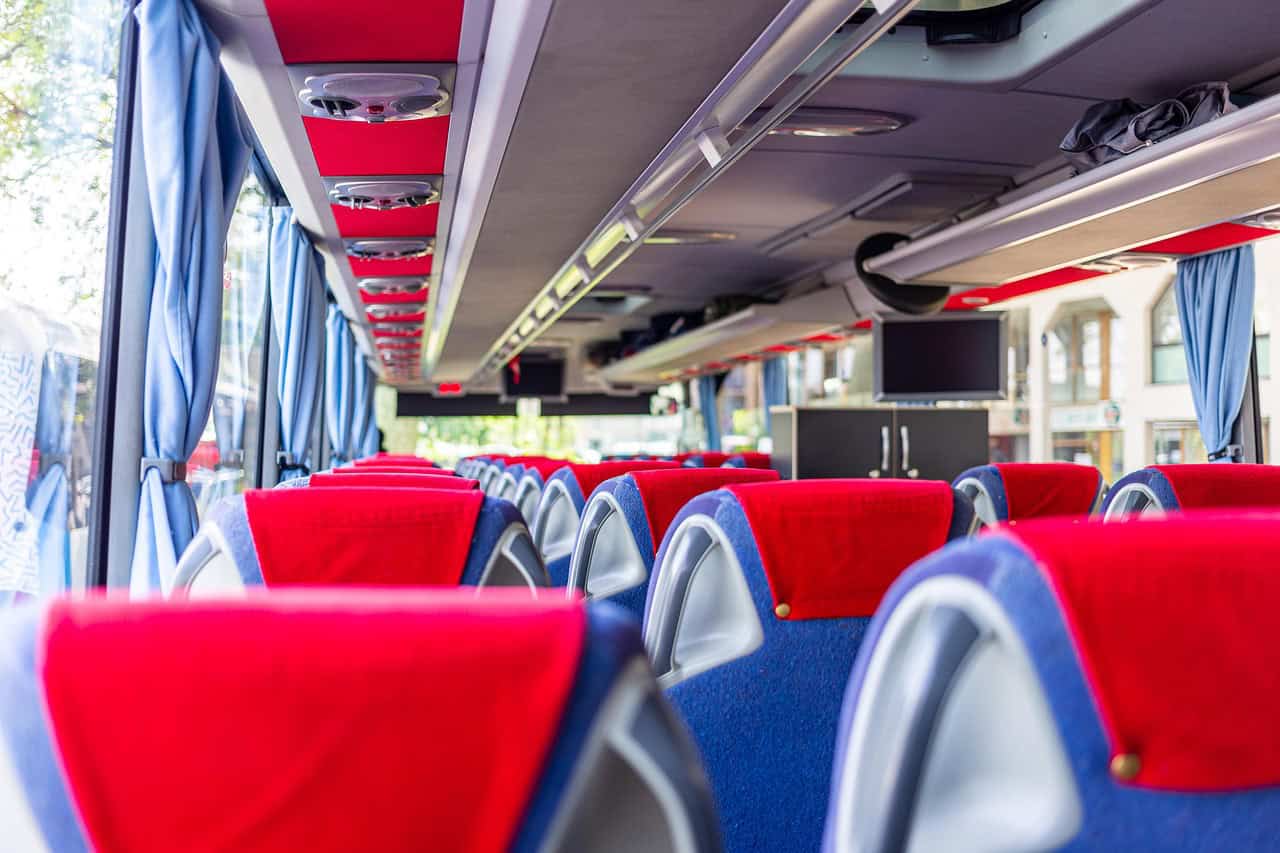
Travel by bus remains one of the most affordable ways to move between cities and towns, and it can be a surprisingly pleasant part of a trip when handled with a little thought.
With modest planning and a handful of practical habits you can save money while keeping a comfortable experience on the road, whether the ride lasts an hour or an overnight stretch.
The trick lies in balancing cost cutting with small comforts, finding the few small choices that change a long journey from a chore into a manageable part of the day. Practical steps that follow will help you spend less, rest better, and arrive ready for what comes next.
Plan Travel Around Cheap Days
Bus companies will often release lower fares for mid week departures and off peak hours, so look at the calendar and aim for the quiet slots that usually carry smaller price tags.
If your schedule has any wiggle room try shifting travel by a day or a few hours because that small change can move you from a full fare to a bargain seat without any real sacrifice.
When multiple carriers run the same route competition tends to push fares down and that rivalry creates windows where prices are markedly lower than usual. Keep a mental list of routes that repeat the pattern and you will learn which days and times tend to yield the best deals.
Book Tickets Early And Set Alerts
Booking in advance often gives access to the lowest base fares and gives you a wider pick of seats and departure times, which matters a lot on busy corridors.
Modern fare trackers let you set alerts for a route and notify you of price drops so you do not have to stare at a page all day; using two services or an email feed builds a clearer picture of typical swings.
Watch for patterns such as midday dips or weekday declines and buy when the price lines up with your travel needs rather than the first available option.
Over a few trips you will learn which booking window works best for each corridor and that rhythm will save both time and money.
Pick Seats And Comfort Options
Many operators offer optional seats with extra leg room or limited row access for a modest premium, and on long runs that small outlay can pay off in hours of better rest and less stiffness.
If you value sleep aim for a seat away from doors and restrooms, and pick a window if you want to lean your head against a steady surface rather than be bounced by traffic.
For travelers looking for a convenient route, a reliable las vegas to st george shuttle can make seat selection and comfort planning even easier.
Sometimes a modest upgrade beats booking a cheap hotel near the station when an overnight trip would otherwise leave you exhausted, and arriving refreshed often cuts expenses later on.
As you scan ticket options compare the listed amenities against how you travel; a short comfort add can mean the difference between a rough ride and a tolerable one.
Pack Smart To Stay Comfortable
A compact travel kit with a neck pillow, light blanket, ear plugs and an eye mask will allow you to rest more easily and avoid buying replacements at a roadside shop where prices tend to be higher.
Bringing a few favorite snacks plus a refillable water bottle keeps hunger at bay and prevents impulse buys during stops, which adds up faster than people expect on long itineraries.
Dress in layers so you can adapt to cabin temperature changes without carrying bulky garments or extra charges for checked items, and choose shoes that slip on and off easily at security or during quick breaks.
Keep chargers, medications and a small first aid item in an easy to reach pocket so you can deal with minor needs without unnecessary stops or purchases.
Join Loyalty Programs And Pass Clubs
Many lines operate point systems or sell multi ride passes that reward regular travel with discounts, free trips after a set number of rides or early access to promotions, which can lower the per trip cost if you use a route often.
Enrollment is usually free and the small effort of tracking points pays back over time, especially on commuter runs and frequent intercity hops.
Keep a simple log of trips and point balances so you do not miss an earned upgrade or a pass renewal window, and check seasonally for special offers that add extra value.
If a regional pass exists it can simplify travel planning and cut per ride costs considerably, removing small purchase friction from each leg.
Travel Light And Use Onboard Amenities Wisely
Carry only what you can lift comfortably so you avoid both luggage fees that sometimes appear and the stress of juggling heavy bags on crowded platforms and aisles.
Make use of onboard charging ports and the free Wi Fi that many carriers provide to keep devices running and skip the need to buy accessories at a stop when supplies are limited and pricey.
Stow items safely and respect the personal space of fellow riders so staff do not move you and change your seat assignment, which can lead to less comfortable options mid trip.
When a small fee applies for larger items think about how much comfort those things actually buy, and decide whether the added convenience is worth the extra cost.
Share Trips And Split Costs With Fellow Riders
When routes are busy coordinate travel plans with friends or coworkers and look for group pricing, since pooling demand into a single purchase sometimes unlocks reduced rates or simpler terms.
Sharing light snacks and a compact cooler can cut expenses and grease social wheels with seat mates, turning a quiet coach into a friendlier place where tips and local tricks get passed around.
For the first and last mile split taxi or ride service fares with others when public transit is sparse because one pooled ride often costs less than multiple single journeys.
Strike up a conversation with a regular commuter and you might learn about cheaper schedules, lesser known stops, or direct runs that avoid premium transfer costs.
Rest And Stay Safe While Traveling
Keep a simple on board routine of short naps separated by brief walks to stretch legs and promote circulation rather than trying to sleep straight through long journeys and waking up sore and stiff.
Store valuables in a secure, zipped bag kept under the seat or on your person to lower the chance of loss while you nap, and use a small travel lock if you feel the need for extra peace of mind.
Hydrate regularly and limit late caffeine if you want to actually rest during stops, which often avoids late night purchases of overpriced snacks or drinks.
Follow crew instructions and posted rules for luggage and seating so you sidestep fines or extra fees that can erase any savings you achieved earlier.