When Should You Buy Precious Metals? Explained Clearly
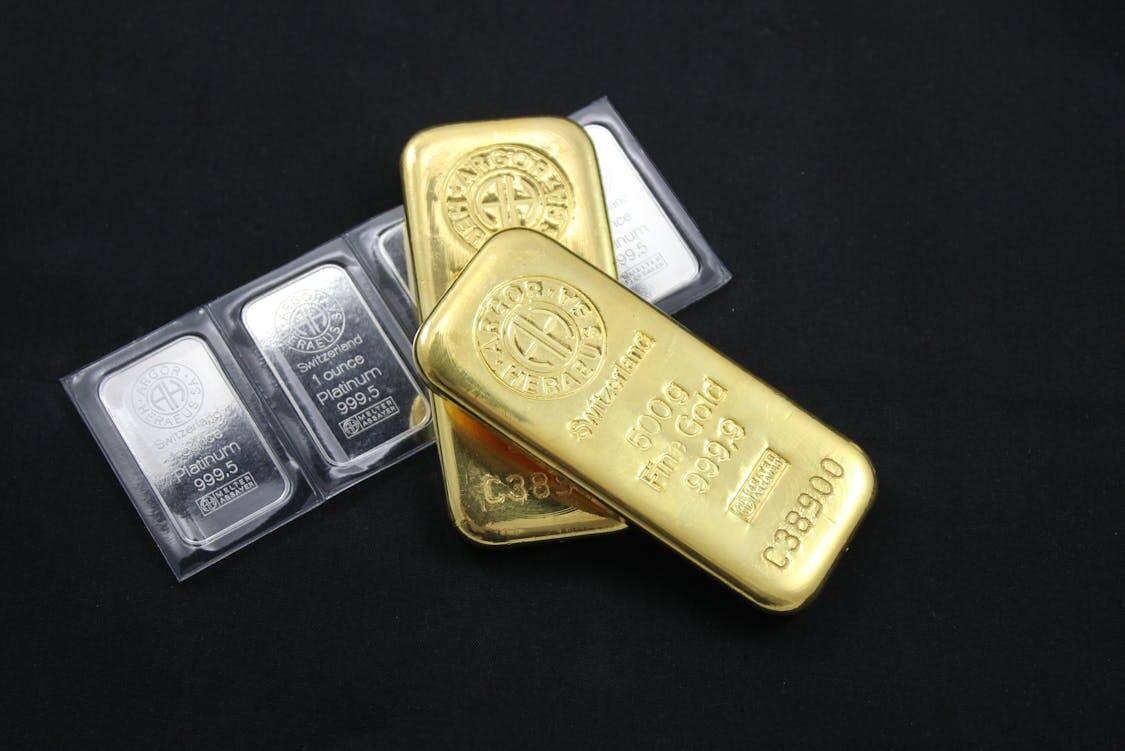
Many investors and savers ask when it makes sense to add precious metals to a financial plan. Gold and silver play more than one role in a mix of assets, acting as a store of value, a hedge against shocks, and a tool for portfolio balance.
Timing a purchase ties to prices, personal goals, tax settings, and an appetite for volatility. Clear rules do not exist, but practical signals and sensible methods can help you act with less guesswork.
Timing The Market Versus Time In Market
Trying to pick a perfect day to buy often feels like chasing the wind and can lead to paralysis. A steady approach that adds small amounts at regular intervals reduces the risk of making a large purchase at a price peak and smooths out the effect of short term spikes and dips.
Big gains in metals sometimes follow long stretches of dull performance, so a patient stance rewards people who ride out rough patches. A plan that focuses on how long you will hold an asset often beats a strategy that seeks the single ideal entry moment.
Inflation And Currency Risk
Metals commonly react to a loss of purchasing power in fiat money and can act as a counterbalance when prices climb and wages lag. When inflation sits higher than normal, investors often turn to tangible items that are not tied to any one central bank or ledger.
Currency weakness abroad can lift demand for hard assets as foreign holders shift holdings into metals that are widely accepted and easy to trade. Watching price moves together with local cost of living changes gives a clearer sense of whether the metal purchase is filling a real need or chasing market noise.
Economic Uncertainty And Geopolitical Shock
Sharp shocks to markets push many people toward assets that feel safer in chaotic times and metals often fit that bill. Central bank actions, trade disputes, or sudden political events can cut through confidence and make paper investments volatile, so a portion of wealth held in metal can dampen overall swings.
Demand surges for bullion and coins often come when trust in banks or currencies frays, which can push premiums up even as paper prices hold. Watching global headlines is not a perfect signal, yet periods of elevated risk commonly coincide with higher metal interest and thicker trading volumes.
Portfolio Diversification And Risk Management

Adding metals spreads sources of return and loss across different kinds of assets and reduces correlation with stocks in many historical periods. A modest allocation can lower portfolio volatility and ease the emotional burden of market downturns without dominating long term growth prospects.
Picking the right share of metal depends on personal goals, retirement timing, and how much short term ups and downs you can tolerate. Keeping the metal slice modest for most investors avoids overconcentration while still providing the stabilizing benefit.
Entry Strategies And Dollar Cost Averaging
One neat way to buy is to set up recurring purchases that happen automatically at fixed intervals and amounts so you buy more when prices fall and less when prices rise. Lump buys work for people who spot a strong signal and want immediate exposure, but that path exposes a buyer to sharper reversals if the market turns.
Some investors use a hybrid route with an initial core holding and a regular drip program to add exposure over time. The key is to pick an approach that you can stick with without losing sleep over short term moves.
Liquidity Tax And Storage Factors
Physical metal ownership brings issues that paper forms do not, and those include safe storage, insurance, and differences in how sales are taxed at exit. Dealer premiums, shipping costs, and authentication fees can add to the effective purchase price and change the calculus when small lots are involved.
Paper linked instruments trade like shares and often carry lower explicit transaction costs while offering easier access and instant liquidity on an exchange. Any plan to buy a sizable amount should include a quick run through of custody choices and tax rules that apply in your jurisdiction.
Price Signals And Market Indicators
A handful of market measures can help a buyer form a view without turning every headline into a trade signal, and that includes the gold to silver ratio, long term trend lines, and the path of real interest rates. Central bank buying and large institutional flows leave footprints that show up in open interest and inventory statistics at bullion exchanges and warehouses.
Spot prices can be volatile intraday, so many investors focus on weekly or monthly moves to filter random noise out of their decisions. A rule of thumb is to weigh signal strength across several indicators rather than act on one bright flash.
Practical Steps To Buy And Safe Custody
Start by defining why you want metals on hand, what percentage of your total assets you can live with in that form, and how soon you will need access to cash instead of metal value. Shop around for reputable merchants who display clear pricing and return policies, and learn the difference in premiums between rounds, bars, and government coins.
For first-time buyers, it’s wise to consult reputable precious metals dealers who can verify authenticity, explain premiums, and guide you on secure transactions.
If physical ownership feels right, arrange secure storage that fits the amount you buy and think through insurance and estate transfer rules ahead of time. If paper exposure suits your goals better, choose vehicles with transparent fees and a track record of liquidity on major markets.