5 Key Benefits of Choosing the Right Industrial Pipe

Choosing the right industrial pipe sets the tone for reliable operation and long term value across many processes, from simple transfer lines to pressurized systems. Thoughtful selection at the outset reduces surprises that can interrupt production schedules and inflate routine bills.
Teams that match materials to process conditions often find that maintenance windows become shorter and more predictable, which frees staff to work on improvements. The payoff is not merely numbers on a balance sheet but smoother days on site and fewer late night calls.
1. Improved Operational Efficiency
A well chosen pipe reduces turbulence and flow restriction, allowing pumps and compressors to operate closer to their design point and waste less energy over time. Flow profiles that remain stable along long runs help control algorithms perform with fewer corrective moves, which cuts wear on valves and actuators and smooths throughput.
When teams can predict how a fluid will behave in a given pipe, they tune set points more tightly and avoid wide swings that sap output. Small gains in efficiency compound, so a modest drop in head loss often translates to measurable savings on energy and downtime.
Matching pipe material and inner finish to the transported medium prevents common slow downs such as deposit build up, scaling, or unexpected phase changes that trigger trips and stoppages. Proper geometry and consistent internal profile keep production targets within reach and limit the need for emergency cleaning or work arounds that stall lines.
Plant staff gain confidence when the system behaves as intended, which reduces reactionary labor and last minute parts sourcing. Measure twice, cut once applies here too, in that careful planning up front prevents costly rework later on the shop floor.
2. Extended Service Life And Reduced Maintenance
Choosing materials that resist abrasive wear and fatigue extends a pipe’s useful life under cyclic loads and particulate laden flows, which trims replacement frequency and saves on spare part inventories.
Fatigue resistant steels, polymers with high abrasion resistance, and composite liners all offer trade offs that can be matched to expected load patterns, giving planners a clearer sense of long term upkeep needs.
Fewer repairs reduce unplanned outages and the need for temporary patches that often create further issues down the road. Longevity in piping translates to lower life cycle cost and fewer rush orders for parts that interrupt scheduled work.
Protective coatings and engineered linings add a second line of defense that slows degradation from corrosion, chemical attack, and erosion, making inspection intervals more predictable and easier to plan.
When corrosion rates fall to predictable levels, predictive maintenance tools produce forecasts that teams trust, which lets crews replace sections on a planned timetable rather than chase leaks.
Reduced frequency of onsite interventions also lowers exposure of workers to confined spaces and hot work, yielding safer job cycles and lower insurance friction. Slow and steady wins the race in asset health, with small improvements in longevity building sizable returns over years.
3. Enhanced Safety And Compliance
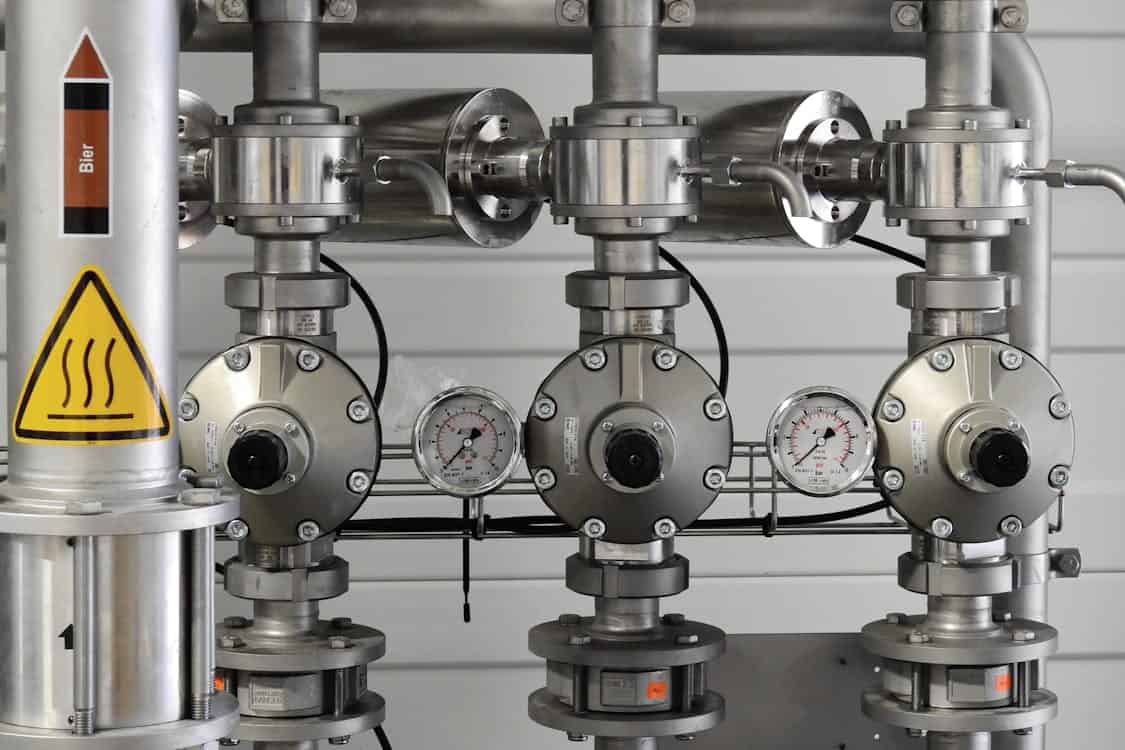
Selecting pipe that matches design pressures and temperature bounds limits the potential for rupture, leak, or joint failure under peak conditions, so systems stay within safe operating envelopes.
Using certified materials and approved joining techniques reduces the number of weak points that can fail unexpectedly, and compliance with relevant codes makes inspections less contentious and more routine.
When assemblies are properly specified and documented, regulators find fewer items to flag and the path through audits becomes smoother and more transparent. Worker safety improves because systems that behave predictably yield fewer surprises that threaten people or the environment.
Chemical compatibility is another safety pillar, given that certain fluids attack base metals or coating systems and cause embrittlement, swelling, or stress cracking over time if mismatched. Selecting a grade that resists the specific mixture in play keeps mechanical properties stable and avoids latent failure modes that are hard to detect in regular rounds.
Clear traceability and material test records simplify review processes and reduce the administrative burden that often follows an incident. Keep your ducks in a row on specifications and paperwork, and safety conversations tend to focus on improvement rather than firefighting.
4. Cost Savings Over Lifecycle
An upfront investment in the right piping often reduces cumulative costs by lowering repair bills, cutting downtime related losses, and shrinking the volume of spare parts that must be carried on site. When life cycle cost models get fed with accurate field data, the math often favors slightly higher initial spend for much lower operating expense and longer replacement intervals.
Predictable depreciation and fewer emergency interventions free working capital and reduce the load on operations budgets, giving teams room to invest in performance upgrades. Budget clarity improves when asset behavior matches forecasts and surprise costs become rare events rather than routine interruptions.
Procurement choices such as warranty terms, supplier testing, and availability of certified documentation play a big role in long term fiscal outcomes, since vendors who back their product reduce the risk of late stage replacement and claims. Traceable supply chains and clear test reports reduce the chance of costly recalls or replacements that can erode margins and tarnish schedules.
Often a modest premium for certified product buys peace of mind that reflects in steadier invoices and fewer overtime hours chasing repairs. When procurement aligns with engineering and maintenance goals, the whole organization spends less over the life of the plant.
5. Better Corrosion And Chemical Resistance
Corrosion eats away wall thickness and creates leak paths that demand urgent repair, which drives unplanned outages and drives up the total cost of ownership for piping systems. For particularly aggressive chemical environments, using a Duplex stainless pipe can provide superior resistance to pitting and stress corrosion, giving long-term reliability with minimal maintenance.
Choosing corrosion resistant alloys, lined systems, or compatible polymers tailored to the process chemistry preserves wall integrity over time and reduces the speed at which a pipe reaches its allowable wear limits.
With stable dimensions and reliable corrosion rates, inspection intervals can be stretched safely, inspection teams plan with confidence, and replacement schedules become manageable. A well matched material for a given service makes the difference between frequent emergency fixes and calm, predictable maintenance cycles.
Some process streams will attack common steels or cause galvanic interactions that accelerate damage, and addressing those risks often requires specialty options such as glass lining, high nickel alloys, or fluorinated polymers where simplicity fails.
Those solutions can seem exotic at first glance, but when they prevent contamination, product loss, and repeated part swaps they prove economical and practical.
Plant reputation benefits when product quality remains high and operations avoid the noise of frequent remediation. Covering all bases on compatibility keeps quality stable and reduces the chance of customer facing issues tied to material failure.