5 Ways Pest Inspections Can Impact Your Home Sale Price
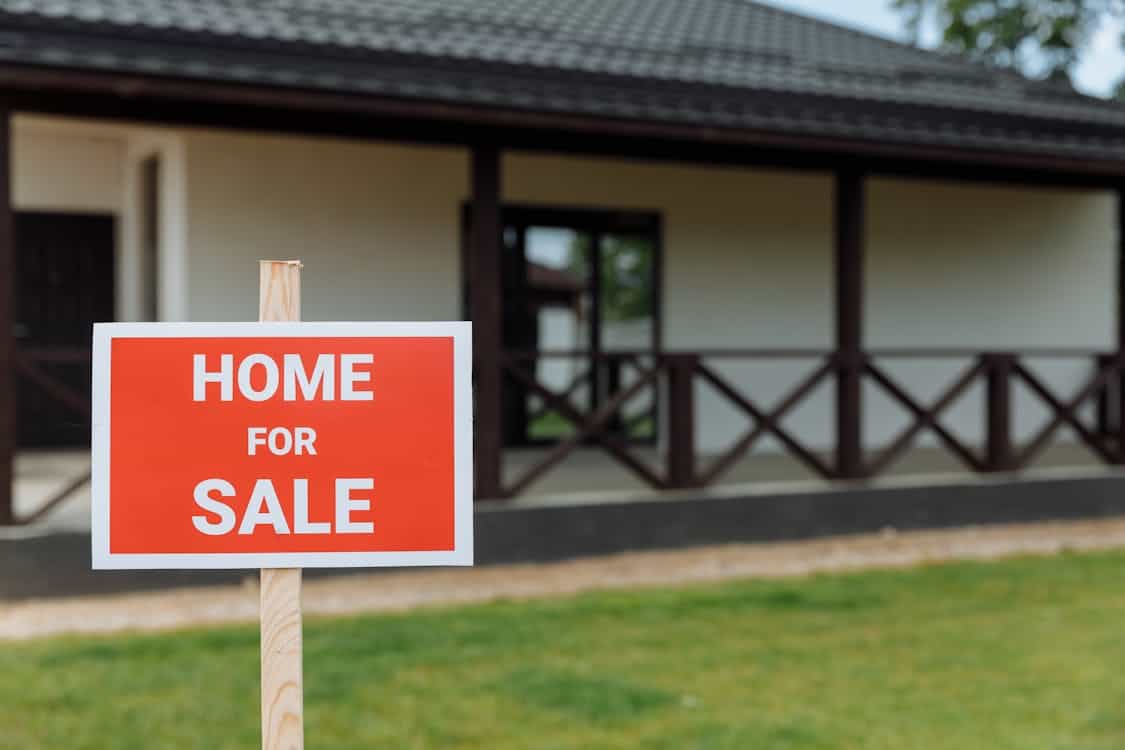
Pest inspections can reshape the way buyers value a property and influence the final number on a purchase agreement. A single report can bring to light problems that change bargaining power and shift who pays for fixes.
Sellers who approach inspections with a clear plan tend to avoid last minute surprises and awkward negotiations. The following sections explore five concrete ways these exams can affect the price your home fetches at sale.
Revealing Structural Damage
When a pest inspector documents wood rot or termite galleries, the physical story of a house becomes clearer and harder to gloss over. Buyers often interpret documented structural harm as a red flag that prompts more prudence and keener scrutiny of other systems.
Appraisers and agents can factor visible damage into comparable sales, which can translate into lower valuations or larger repair credits. That change in perceived value can shave thousands off an asking price if the problem touches load bearing elements.
A seller who receives a critical report might choose to fix the issues before listing or present a carefully compiled remediation record to prospective buyers. Timely repairs backed by invoices and contractor guarantees can make the narrative less alarming and sometimes restore much of the lost market value.
When work is left unfinished, buyers and their lenders tend to discount the price or request escrow holdbacks as a buffer. Either way, the documentation drives bargaining around who absorbs the cost of recovery.
Affecting Buyer Confidence
A clean pest inspection can act like a seal of calm for buyers who want fewer unknowns during a big purchase. Confidence breeds smoother negotiations and can keep offers closer to asking price because buyers perceive lower risk and less need for contingencies.
Conversely, a report that lists active infestation or widespread damage often raises eyebrows and prompts buyers to reallocate risk. That shift can lead to reduced offers or more aggressive contingencies that reduce net proceeds for the seller.
Emotions and perception play a large role in real estate deals and a negative report can make a well staged house feel shaky at the negotiating table. Buyers sometimes walk away from bidding wars when a pest issue surfaces, which reduces competition and can drag final price down.
Agents who manage the communications around an inspection can soften the blow by framing the problem and proposed remedies in practical terms. Still, the initial hit to buyer psyche frequently changes the dynamics and offers on the table.
Impacting Repair Negotiations

When repairs are necessary, the inspection report becomes the script for repairs and credits during settlement. Buyers use line items from an inspector to justify requests for repairs, credits, or price reductions, which forces the seller to respond with cost estimates or concessions.
The bargaining that follows can influence the ultimate sale price because some sellers choose to lower the price to avoid repair work or to speed up closing. The back and forth often centers on who takes responsibility and how much will be discounted for future work.
Contract language tied to inspection outcomes can also lock parties into specific remedies or holdbacks, so the wording matters a great deal. Sellers who proactively obtain contractor quotes and offer clear timelines can limit the scope of negotiation and preserve more of the sale amount.
Buyers who push hard for contractor grade fixes sometimes get price reductions instead of immediate work, shifting the burden onto the buyer after closing. That trade off between cash at closing and repair scope directly alters the bottom line for both sides.
Influencing Financing And Insurance Outcomes
Lenders and insurance companies review pest reports when judging risk for loans and policies, and an unfavorable inspection can complicate approvals. Mortgage underwriters might require pest related repairs before they will fund a loan, which introduces delays and potential renegotiation of price.
Insurance carriers may decline coverage or impose higher premiums if the property shows evidence of infestation or erosion of structural integrity. Those financial frictions can soften buyer offers because added costs or uncertainty reduce what buyers are willing to pay.
For sellers hoping to close quickly, the timing of an inspection relative to financing milestones matters a great deal. A report that forces preapproval issues can create a chain reaction of extended contingencies and additional inspections that sap momentum.
Some buyers insist on escrow for repairs to satisfy lenders and insurers which can lead to adjustments in sale price to cover those reserves. The interplay between inspection findings and third party underwriting often results in an altered net amount at the closing table.
Using Inspection Reports As Marketing Tools
A well phrased and clean inspection report can become a marketing asset when shown at an open house or included with sale documents.
Sellers who present evidence of recent treatments and preventative steps help buyers feel they are purchasing a property that has been actively cared for. That sense of stewardship can translate into higher perceived value because buyers estimate fewer unknown future costs.
For a reliable and comprehensive inspection, check out https://www.houseflybuildingandpest.com.au/ to ensure your property has the best possible inspection report to present to buyers. Presenting a transparent file fosters trust and can reduce the number of low offers that hinge on fear of hidden issues.
Even when issues are present, framing matters and sellers can highlight professional plans for remediation to keep offers competitive. Showing scheduled contractor visits or warranty commitments reassures buyers that the problem will be handled and not left to them after closing.
A proactive approach to the report turns a potential liability into a demonstration of responsibility which often protects sale price. Smart display of facts and proactive fixes tends to smooth negotiations and preserve buyer goodwill.