5 Ways RIS Can Help Improve Patient Care and Satisfaction
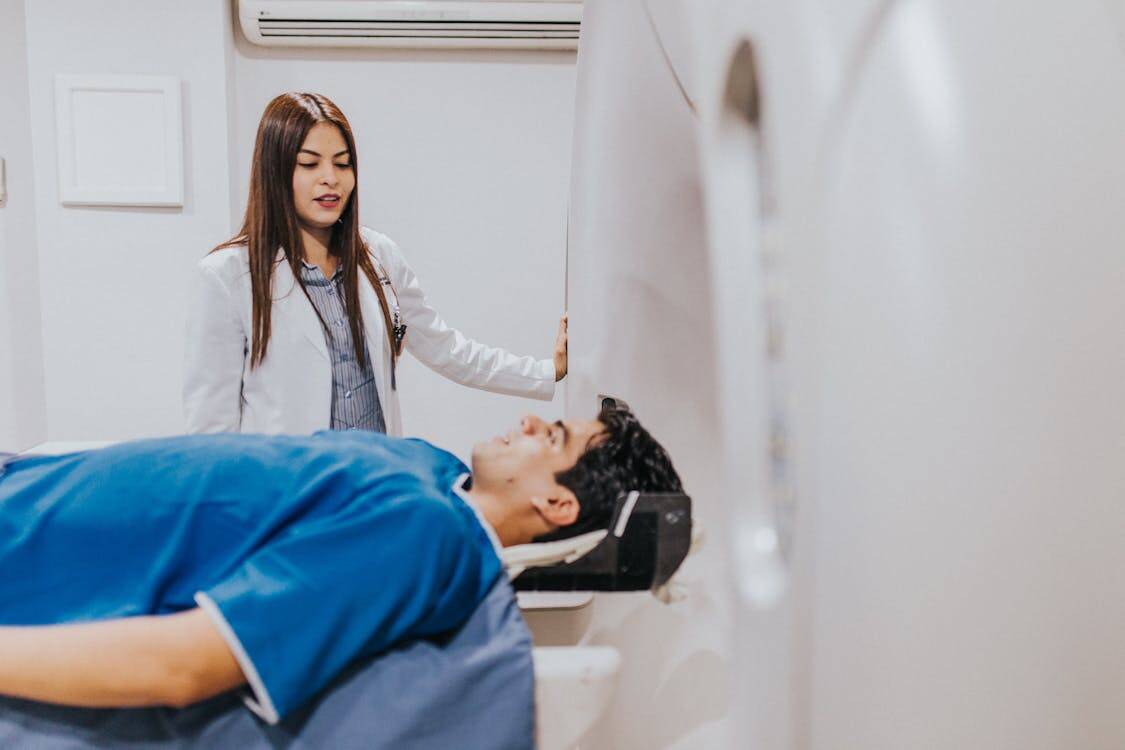
Radiology information systems play a big role in how imaging services are delivered and how patients experience care. When workflows are smooth and data flows freely, staff spend less time on busy work and more time with people who need help.
Small changes in process and better access to images and reports can change a patient visit from stressful to calm and clear. The benefits show up in faster answers, fewer repeat scans, and calmer patients who feel they are being looked after.
1. Improved Scheduling And Workflow
A reliable scheduling module in a radiology information system can cut down on open slots and last minute confusion that often frustrate patients. When appointment blocks are matched to procedure type and available staff, wait times shrink and the front desk can give clear estimates that ease patient nerves.
Staff can view room assignments and prep status at a glance, which keeps things moving and reduces the number of calls patients must make. Smooth booking keeps the day predictable and gives teams room to go the extra mile for people who need extra care.
Streamlined registration and check in processes also help avoid paperwork headaches that often start a visit on the wrong foot. Digital intake lets staff confirm insurance and capture key medical notes before a person walks in the door, which shortens time in reception.
Fewer administrative delays mean technologists are ready when the patient arrives and the whole interaction feels more respectful of a person s time. A calm start often sets the tone for a visit that is clear and reassuring.
2. Faster Report Turnaround Times
Radiology reports that appear quickly in the electronic record reduce uncertainty for referring clinicians and patients who are waiting on next steps. Voice recognition and template driven reporting help radiologists draft findings in a fraction of the usual time, while automated routing sends finalized reports to the right inboxes.
Faster reports can lead to quicker care decisions and avoid the ping pong of delayed referrals and follow up calls. Choosing technology trusted by imaging teams nationwide can help radiology departments maintain reliable workflows and deliver timely reports. When answers come sooner, patients feel their concerns were taken seriously and they can make timely plans.
Priority flags and status tracking make it easy to spot critical studies that need urgent review and action, keeping rare but serious problems from slipping through. A RIS that highlights urgent cases can assign them top billing on a reading list so no time is wasted.
Clinicians appreciate a system that brings attention to what matters most and patients like knowing a problem will not be left waiting. Quick handling of critical findings can be a real breath of fresh air in a tense situation.
3. Enhanced Image Access And Sharing

Easy access to imaging from multiple locations helps care teams collaborate and keeps patients from repeating tests. When images and prior studies are available digitally, specialists can compare current scans with past ones right away, which often saves a person from another exposure to radiation.
Fast sharing of images with outside providers eliminates the classic game of waiting for physical discs to arrive in the mail and gets the conversation rolling sooner. This kind of openness builds trust with patients who want clear, coordinated care.
Cloud based viewing and integrated PACS links allow clinicians to pull up images at the bedside or during virtual visits, making explanations more visual and easier to follow.
Patients who can see their own scans with a clinician often understand the issue faster and are more likely to follow recommended steps. Visual clarity turns abstract findings into a story that makes sense. When care feels transparent, satisfaction goes up.
4. Better Communication Between Care Teams
A RIS that includes secure messaging and built in comment threads keeps radiologists, technologists, and referring doctors on the same page. When a radiologist needs more clinical context they can reach out quickly, and when a clinician needs clarification they can attach a note that stays with the study.
This saves time that would otherwise be spent on phone tag and reduces the risk of miscommunication. Clearer exchanges lead to fewer delays in treatment and a smoother journey for the patient.
Patient centered notes and action items that flow from radiology reports help primary teams know what to do next without hunting for information. When follow up imaging or specialist referral is spelled out, the next steps happen more naturally and with less friction.
That coherence helps patients feel cared for because their plan is visible and coordinated across multiple hands. In practice, good team communication cuts down on surprises and builds confidence.
5. Data Driven Quality Monitoring And Improvement
Reporting modules inside a radiology information system can collect metrics on wait times, repeat imaging rates, and report turnaround, which lets teams spot patterns and take concrete steps to improve care.
Regular review of these measures gives leaders the chance to fine tune schedules, update protocols, and allocate staff where the need is greatest.
Small process fixes informed by numbers often yield big gains in patient flow and satisfaction. A clear feedback loop means that when problems occur they can be fixed and learnings can be spread fast.
Patient feedback tools tied to the system can show what matters most to people who use the service and where to focus improvement efforts. Short surveys sent after an appointment can capture impressions while they are fresh and provide actionable items for the team.
When staff see that changes lead to better ratings and fewer complaints, morale rises and the whole unit feels more purposeful. A focus on measurable quality makes it easier to go from guesswork to steady progress.