5 Ways to Achieve Younger-Looking Skin without Surgery
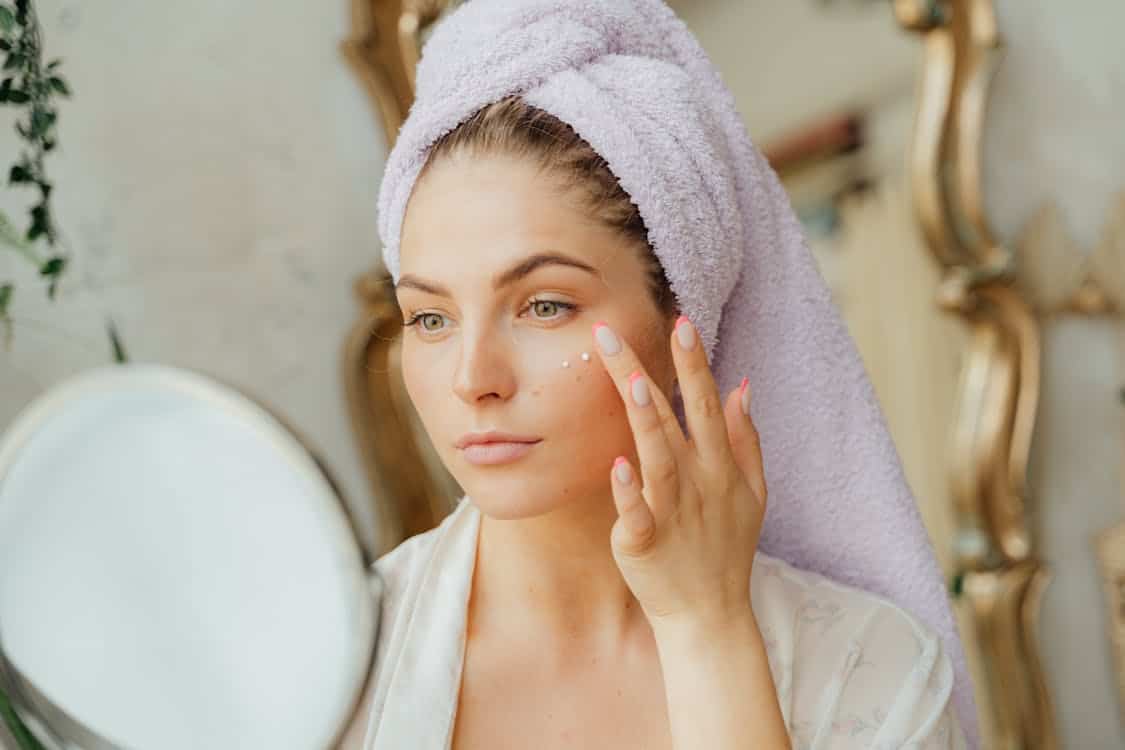
Healthy, younger looking skin often starts with steady, smart habits rather than costly interventions. Small actions taken day after day add up and can shift how your skin looks and feels over weeks and months.
A few well chosen products, sensible sun habits and realistic lifestyle tweaks can keep skin plump, even toned and less creased. Here are five approaches that deliver visible benefits without the need for surgery.
1. Establish A Consistent Skin Care Routine
Cleanse with a mild formula that removes dirt and excess oil while keeping natural moisture in place, and do not scrub harshly which can damage the barrier. Gentle exfoliation once or twice a week helps slough off dead cells so fresh skin can reflect light and makeup can sit more smoothly.
Moisturize to lock in hydration and support the skin barrier, choosing a texture that complements your skin type and climate. An ounce of prevention is worth a pound of cure, and steady care yields steady gains.
Layering active products in the right order helps each one perform well without causing irritation, so apply thin to thick and leave time for absorption. At night, a retinoid can promote cell turnover which refines texture and reduces fine lines over time while daytime serums with antioxidants protect against daily insults.
Introduce stronger actives slowly and patch test to avoid redness or peeling that sets progress back. Keep things simple and repeatable so the routine becomes as familiar as brushing teeth.
2. Prioritize Sun Protection Daily
Ultraviolet rays accelerate the breakdown of collagen and cause uneven pigment, so wearing broad spectrum sunscreen every single day is a major skin preserving habit. Choose a sunscreen with at least thirty SPF and apply a generous layer to face and neck, topping up after heavy sweating or extended time outdoors.
Shade, hats and protective clothing offer extra defense and reduce reliance on constant reapplication in bright conditions. Better safe than sorry is a good rule when it comes to sun exposure.
Make sunscreen the last step of your morning routine and pair it with a matte or hydrating finish to suit your skin needs so you do not skip it because of texture. If makeup sits on top of a well applied sunscreen, the protective layer stays intact and your daily coverage supports longer term skin health.
Think of sun care as an investment that stops fresh damage from piling up, which keeps treatments effective and skin looking rested. Many subtle signs of aging are timed events that unfold faster without steady protection.
3. Optimize Nutrition And Hydration

Eating a plate full of colorful vegetables, lean protein and whole grains supplies vitamins and minerals that help skin regenerate and hold moisture more effectively. Antioxidant rich foods such as berries, leafy greens and nuts neutralize free radicals which can damage cells and speed visible wear.
Healthy fats like omega three from fish, flax or walnuts feed the barrier lipid layer so skin looks springy and less creased. Drink water throughout the day to support circulation and help natural detox pathways that keep skin clearer and more luminous.
Limit processed foods and excess sugar which can promote inflammation and glycation, a process that stiffens proteins in the skin and dulls appearance. Small diet shifts applied consistently often show up as clearer tone and improved elasticity after several weeks, making gradual change a winning strategy.
If food habits are chaotic, a few steady swaps each week add up and are easier to sustain than a radical overhaul. Your skin reflects what you do most of the time, not what happens once in a while.
4. Use Targeted Topical Treatments
Vitamin C serums brighten tone and support collagen stability, while niacinamide helps even texture and reduces visible redness, so pairing a few proven actives creates complementary effects. Retinoids foster cell renewal and thicken the deeper dermal layer over months which reduces fine lines and improves firmness, though they can be drying at first so patience is part of the plan.
Peptides and growth factor inspired formulas aim to signal repair and may help with elasticity and overall resilience when used consistently. Choose stable formulations and store them appropriately so potency does not wane before the product has a chance to work.
Introduce new treatments one at a time to track how your skin responds, and lower frequency if irritation flares until tolerance builds up; a little pacing keeps progress steady. OTC chemical exfoliants such as low concentration acids can refine surface texture and help other serums penetrate with less friction than rough physical scrubs.
Look for products from reputable sources and follow label guidance on layering to reduce the risk of overlap that causes redness. For those looking for more dramatic texture improvement, skin resurfacing treatments like chemical peels or laser therapy can also enhance the effects of topical treatments by removing dead skin and promoting new skin growth.
5. Adopt Healthy Lifestyle Habits
Quality sleep gives skin time to repair and regenerate overnight, and chronic poor sleep shortens the window for recovery leading to dull tone and puffiness that no cream can fully hide. Manage stress through small rituals that work for you since elevated stress hormones accelerate aging processes and interfere with sleep, immunity and appetite.
Regular movement boosts circulation which feeds skin cells with oxygen and nutrients while aiding lymphatic flow that reduces puffiness and supports clarity. Small, consistent habits often compound into visible improvements that feel natural rather than forced.
Facial massage and gentle stimulation promote circulation and can help muscles look more relaxed and lifted when done correctly and without too much pressure, so treat it like a pleasant ritual you stick with. Avoid smoking and cut back on excess alcohol as both interfere with hydration and the body defend and repair systems that keep skin vibrant.
Keep checks with a dermatologist for targeted advice and to address pigment or texture changes sooner rather than later, since early tweaks tend to be simpler and more effective. Healthy habits that fit your life tend to last and reward you with skin that reflects steady care.