Choosing the Right Water Heater for Your Home and Family
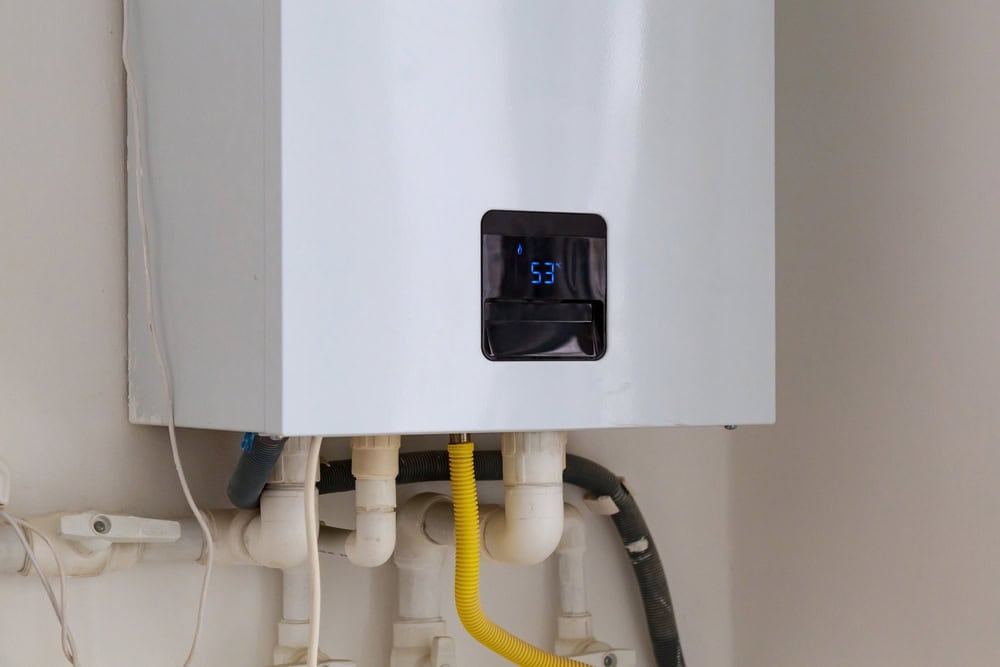
Choosing the right water heater affects daily life in ways both obvious and subtle. Hot water fuels morning routines, laundry chores and the comfort of a warm bath after a long day.
Households weigh factors like capacity, fuel type, upfront cost and ongoing upkeep when they pick a model. The goal is a reliable unit that meets demand with an eye on monthly bills and long term wear.
Types Of Water Heaters
There are several common types of water heaters and each has trade offs that matter for different households. Conventional storage tanks hold a reserve of hot water ready for use while on demand models heat water as it flows through the unit.
Heat pump models move heat from the air into the water and can yield lower operational expenditure in suitable climates, whereas solar linked systems use collectors to preheat water and cut utility usage. Picking among these options means matching how your family uses hot water to the strengths and limits of each technology.
Sizing For Your Family
Sizing a water heater is about matching output to the rhythm of your home so peak moments do not leave anyone shivering. For tank units the focus is on capacity and recovery rate, where larger tanks store more but take longer to reheated after heavy use.
For on demand units the metric is flow rate, expressed in gallons per minute, which determines whether simultaneous showers and dishwasher cycles will be supported. A simple rule of thumb is to list high demand events in a typical morning and work out the combined needs, then add a safety margin for guests and occasional heavy use.
Fuel Source And Running Costs
Fuel source affects both the wallet and the wiring or piping in your home, and choices often hinge on what is readily available. Natural gas and propane often cost less to run for high demand households, while electric units can be easier and cheaper to install where gas is not present.
Local rates, peak pricing and potential future shifts in utility cost all shape lifetime spending more than the sticker price does. It helps to tally expected monthly costs for a few scenarios and compare them to upfront expense to see where the break even point sits.
Energy Efficiency And Ratings
Energy ratings give a common language to compare units, from efficiency percentages to yearly energy consumed figures, and these numbers can translate to real savings. Look for metrics such as energy factor or uniform energy factor which summarize typical performance under standardized tests so you can compare like with like.
Higher rated units often pay back over time through lower monthly bills, though the payback period varies by fuel prices and how much hot water your household uses.
If you’re aiming for long-term savings and environmental impact, investing in the most efficient hot water heaters can be a smart choice, reducing both energy consumption and costs. Smaller adjustments such as insulating exposed piping and lowering the thermostat can improve overall efficiency with little cost.
Installation And Space Needs
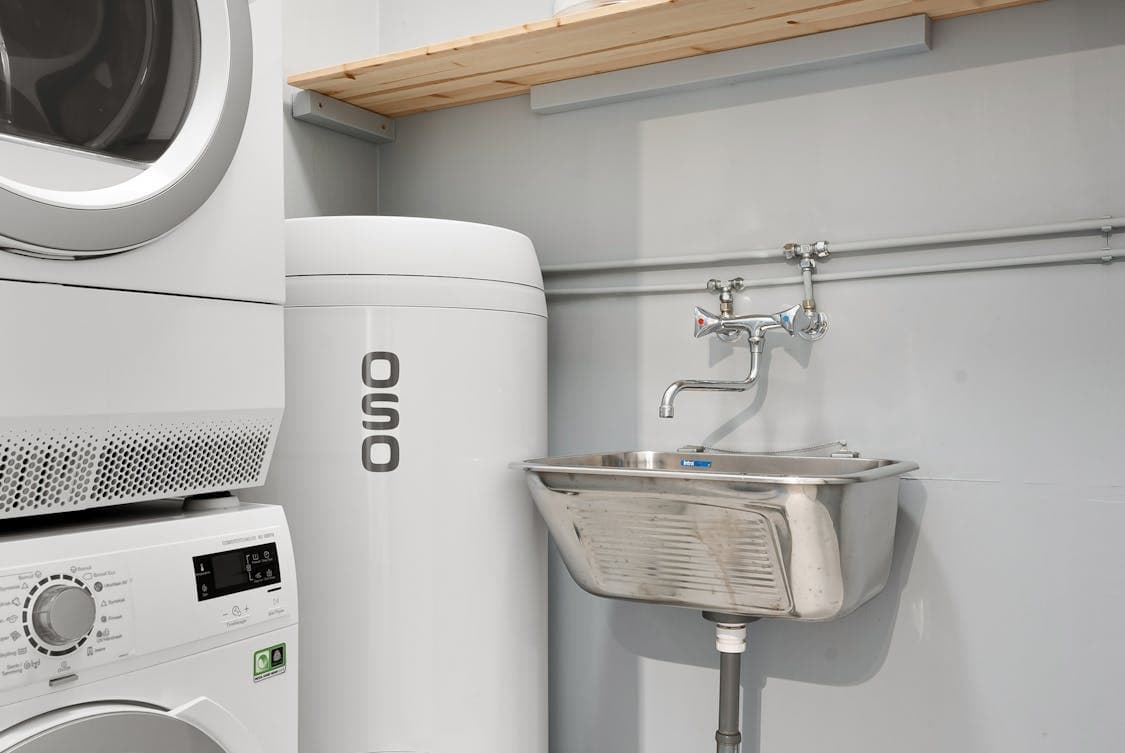
Installation requirements influence final cost and practical feasibility, and they are worth checking before you fall in love with a model. Tank units need a footprint and clearance for service while on demand systems require proper venting and a pipeline that can handle the flow and pressure.
Some homes require electrical upgrades or extra gas lines for certain models, a detail that can change the math between two otherwise similar options. Speak with licensed installers to get site specific notes on access, permits and any structural work that might be involved.
Maintenance Life Span And Reliability
Routine care keeps a water heater running longer and cuts the surprise of sudden failure, so look into what upkeep each type asks for over its life. Tanks need periodic flushing to remove sediment that reduces efficiency and can cause corrosion while on demand units benefit from descaling in hard water areas to keep flow and heat exchange at designed levels.
Manufacturer warranties and support networks are another part of the story since a solid warranty paired with nearby service can be a safe bet for peace of mind. Longevity expectations vary, with storage tanks often lasting a decade or so and tankless units frequently offering a longer operational window when well maintained.
Safety Features And Controls
Safety matters with any appliance that deals with high temperature water and pressurized vessels, so check for built in protections and modern control systems. Temperature and pressure relief valves prevent dangerous conditions in tank systems while advanced electronics in on demand units can regulate flame or element power to reduce scald risk.
Programmable controls and smart features help households tailor schedules and set maximum temperatures which cuts both waste and hazard. Simple actions like setting a lower thermostat and installing anti scald valves at fixtures add layers of protection for children or older adults.
Environmental Impact And Incentives
The environmental footprint of a heater comes from both the energy it draws and the life cycle of the appliance, so a greener choice often lowers emissions and energy bills. Renewable linked systems and heat pumps typically emit less over time when compared to fossil fuel based units, with local grid cleanliness playing a role in total impact.
Many jurisdictions offer rebates, tax credits or low interest financing for efficient models and for installations that reduce demand on the grid during peak hours. Checking local utility programs and available credits before purchase can change which option makes the most sense financially and ecologically.